

Conditions · Perimenopause & menopause
Get through perimenopause and menopause feeling like yourself
Hot flashes, poor sleep, weight changes and mood swings are common at this stage of life. They don’t have to be something you just put up with.
In short
Perimenopause is the years before your final period, when estrogen and progesterone start to fluctuate. It often brings hot flashes, poor sleep, weight changes and mood swings, sometimes from your early 40s. Vivaa reviews your symptoms and labs, then builds a plan that can include lifestyle changes and hormone therapy. Telehealth in GA, CA, TN and WA.
Understanding the transition
What happens during perimenopause and menopause?
- Estrogen
- Progesterone
- Sleep
- Metabolism
- Mood
Perimenopause is the transition leading up to menopause, and it can start years before your last period. During this time, estrogen and progesterone rise and fall unpredictably. Menopause is confirmed after 12 months without a period, when those hormone levels settle at a new, lower baseline.
Because these hormones influence sleep, body temperature, mood, metabolism and bone health, the changes can show up almost anywhere. Many women notice weight gain around the belly, night sweats, trouble sleeping and feeling less like themselves long before anyone mentions menopause.
We look at the full picture (hormone levels, thyroid, metabolism, stress and sleep) so your plan supports your body through this stage instead of managing one complaint at a time.
Common concerns we help with
- Hot flashes and night sweats Sudden waves of heat during the day, or waking up drenched at night.
- Sleep disruption Trouble falling asleep, waking at 3am, or never feeling fully rested.
- Weight gain around the middle New belly weight that doesn’t respond to what used to work.
- Mood changes and anxiety Feeling more irritable, anxious or low than usual.
- Brain fog Forgetfulness and trouble focusing that seem to come out of nowhere.
- Irregular or heavy cycles Periods that become unpredictable, heavier or closer together.

How we help
How we support you through the transition
Personalized care designed to ease symptoms, protect your long-term health and help you feel steady again.
01
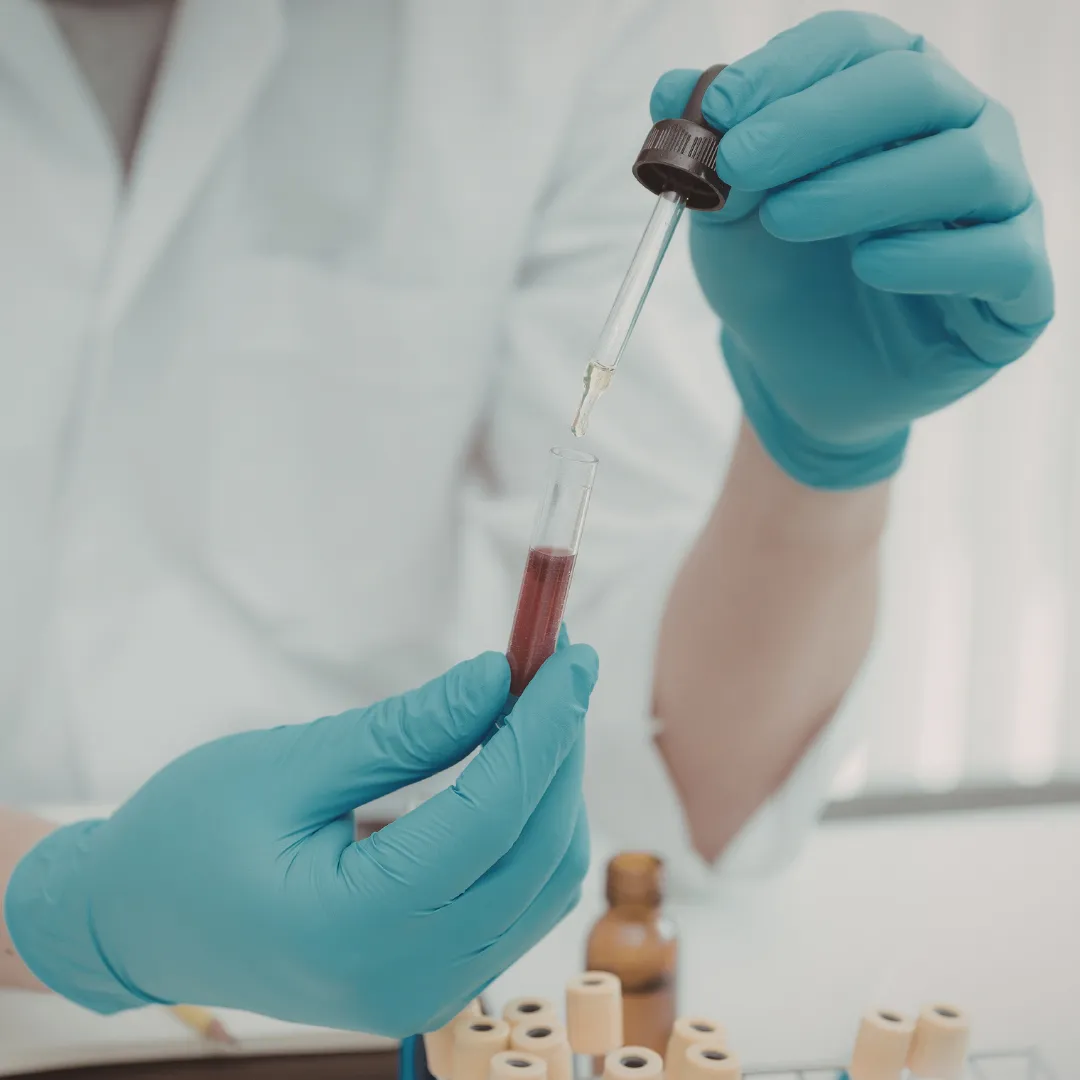
Comprehensive hormone testing
We measure estrogen, progesterone, testosterone, thyroid and cortisol to see where you are in the transition.

02
Bio-identical hormone therapy
Where appropriate, bio-identical hormones may relieve hot flashes, sleep problems and mood changes.

03
Nutrition for a changing metabolism
A plan that supports blood sugar, muscle and bone health as your metabolism shifts.

04
Sleep and stress support
Practical changes and targeted support to help you sleep through the night and feel calmer.
Your path at Vivaa
What happens when you start care
01
First consultation
A video visit covering your symptoms, health history and any labs you already have.
02
Targeted testing
We order the labs your symptoms call for, going past a routine panel where it helps.
03
Your personalized plan
Nutrition, lifestyle, supplements and, where appropriate, medication, based on what your results show.
04
Follow-ups and adjustments
Regular check-ins to review progress and adjust your plan. Vivaa works alongside your primary care provider.
Common questions
Is this available in my state?
Yes, if you’re located in Georgia, California, Tennessee or Washington at the time of your visit. We can’t see patients in other states.
What happens at my first visit?
A video consultation covering your symptoms, health history, lifestyle and any labs you already have. No referral is needed.
What age does perimenopause start?
Most women begin perimenopause between ages 40 and 44, but some notice symptoms as early as their mid-30s. Cycle changes, sleep problems, mood shifts and hot flashes can appear years before your last period. If these symptoms are affecting your quality of life, it's worth getting your hormones checked regardless of your age.
Can you help if my labs came back normal?
Yes. Standard lab ranges are very broad: they tell you when something is clearly abnormal, but not whether your levels are optimal for you. Functional medicine uses narrower, evidence-based ranges and looks at how your results relate to each other. Many patients who've been told their labs are normal find that their thyroid, iron, vitamin D or hormones are suboptimal once reviewed this way.
Your healing begins here
Start your journey to feeling better
Get a personalized plan that looks for the root cause, so you can feel better, regain your energy and take back control of your health. Telehealth in Georgia, California, Tennessee and Washington.